
Modular chilled cold room
Prefabricated insulated-panel cold room with door, refrigeration unit and controls, for chilled storage of food and other perishable goods.
- Modular / prefabricated
- Chilled storage
Offline — reconnect before saving or submitting. Changes on this page have not been sent.
15 categories and 34 system types — from cold rooms, blast freezers and refrigeration plant to reefer transport, monitoring, doors and racking. Choose a system, then send one request: the ColdMatch team reviews it and contacts suitable suppliers on your behalf.
Every cold store, from a single room to a distribution centre, is built from the same parts. Use this table to check that your request covers each one; backup power is sized with the backup generator calculator.
| Part | What it does | What to specify | Catalog guide |
|---|---|---|---|
| Insulated envelope | Keeps heat and moisture out of the cold space. | Internal size, panel thickness by temperature, floor insulation for frozen rooms, fire class required on site. | |
| Refrigeration plant | Removes the heat load: compressors, condensers and the refrigerant circuit. | Duty in kW per temperature zone, refrigerant preference, redundancy (N or N+1), design summer ambient. | |
| Doors and dock equipment | Controls warm-air entry where product moves in and out. | Door sizes, openings per hour, heated frames for frozen rooms, dock levellers and seals. | |
| Racking and handling | Turns volume into usable pallet positions. | Pallet size and count, racking type (selective, drive-in, mobile), clear height, forklift type. | |
| Controls and monitoring | Holds set points and records temperatures for audits. | Alarm contacts, data logging interval, remote access, any GDP or food-audit record requirement. | |
| Freezing, ripening or pre-cooling (if needed) | Changes product temperature quickly rather than holding it. | Product, kg per hour or batch, entry and target temperature, cycle time. |
Budgeting the whole facility? See cold storage warehouse cost or cold room cost by size.
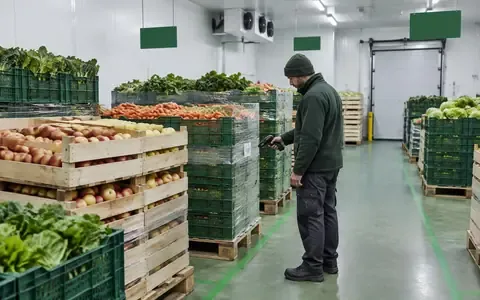
Refrigeration equipment cannot be organic. What matters for certified organic produce is that the cold chain keeps organic lots separate, identified and free from non-permitted substances. This collection covers segregated cold stores, controlled-atmosphere fruit storage, pre-cooling and lot traceability; certification stays with the operator and its certifier.
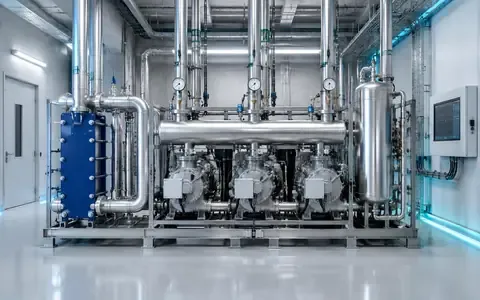
Premium here means a system specified with features you can verify in a supplier's offer: natural refrigerant or documented efficiency measures, heat recovery where heat can be used, redundancy, calibrated monitoring with audit trail, and full commissioning documents. It is a set of selection criteria, not a brand tier or a performance promise.
Describe the product, tons per day, pallets, temperature, climate, refrigerant and safety, redundancy, country and energy supply. The assistant suggests catalog items and questions for you to review — it never sends anything, and it does not give prices, certifications or availability. A free sign-in is needed to use it.
34 of 34 system types
Capacity, refrigerant, delivery country and availability filters appear on a system page once suppliers have confirmed that information in writing and the ColdMatch team has published it.
Tick “Compare” on up to 3 systems to see them side by side.
Prefabricated insulated-panel cold room with door, refrigeration unit and controls, for chilled storage of food and other perishable goods.
Insulated room with low-temperature refrigeration for storing products that are already frozen, typically with floor insulation and heated door frames.
Site-built cold store with several rooms at different temperatures, sharing a refrigeration system and controls.
Temperature-controlled warehouse for storing and distributing palletised goods, with docks, racking and refrigeration designed together.
Pallet racking selected for low-temperature environments, including selective, drive-in and mobile racking layouts.
Dock levellers, dock shelters or seals and insulated loading doors that limit warm-air entry while refrigerated vehicles are loaded.
Insulated room or cabinet with high air velocity and low-temperature refrigeration that freezes product in batches on trolleys or pallets.
Continuous freezer that moves product on a belt through cold air so pieces freeze individually, used inside processing lines.
Freezer that presses packed or block product between refrigerated plates, common for seafood, meat blocks and packed goods.
Equipment that rapidly cools cooked or fresh product to chilled temperature, used in food production and catering.
Central engine-room plant using ammonia as refrigerant to serve cold stores, freezers and process cooling from one system.
Refrigeration plant using carbon dioxide as refrigerant, in transcritical or cascade configurations, for commercial and industrial cooling.
Factory-assembled set of compressors with controls, or a condensing unit, serving one or more evaporators.
Air-handling and cooling equipment that holds temperature and humidity in food processing halls, packing areas and cleanrooms.
Chiller that cools a glycol or brine loop for process equipment, jacketed tanks or low-temperature applications.
Packaged chiller rejecting heat to outdoor air, used for process cooling, HVAC and secondary-loop refrigeration.
Refrigerated shipping container for sea and intermodal transport, also used as temporary or on-site cold storage.
Insulated vehicle body or semi-trailer with transport refrigeration unit for road distribution of chilled and frozen goods.
Machine producing thin flake ice for cooling fish, seafood, poultry and vegetables, usually with an insulated ice store.
Plant producing ice blocks in moulds or by direct cooling, used where ice must be transported or stored for longer.
Refrigerated building fit-out for receiving, sorting and dispatching goods quickly, with temperature-controlled docks and staging areas.
Cold room for medicines with redundant refrigeration, continuous monitoring and alarms, designed so it can be mapped and qualified for your quality system.
Room or tunnel that pulls cold air through packed produce to remove field heat quickly before storage or shipping.
Chamber that cools leafy and porous produce by evaporating moisture under vacuum, used where very fast pre-cooling is needed.
System that cools produce with chilled water by shower or immersion, suited to produce that tolerates wetting.
Insulated room with temperature, ethylene and air-flow control for ripening bananas, avocados, mangoes and other fruit.
Gas-tight cold room where oxygen and carbon dioxide levels are controlled to extend storage life of fruit such as apples and pears.
Continuous or batch tunnel that brings processed product down to chilled temperature before packing or storage.
Sensors, data loggers and software that record temperatures across rooms, vehicles or sites and raise alarms when limits are exceeded.
Controllers, valves and supervisory software that run refrigeration plant, defrost and fans and connect them to site management systems.
Wall, ceiling and floor panels with an insulating core between metal facings, used to build cold rooms and cold stores.
Hinged, sliding and high-speed insulated doors for cold rooms and cold-store openings, selected for traffic and temperature.
Fan-coil units that remove heat from the cold room or process area, matched to refrigerant, room temperature and air throw.
Design, procurement, construction and commissioning of a complete cold-chain facility delivered under one contract.
Typical combinations for a whole project, with how the parts depend on each other. Add a kit and individual systems to the same shortlist; you set quantities and options before one request goes to the ColdMatch team.
Remove field heat quickly, then hold packed fruit and vegetables chilled until dispatch.
Growers, packers and exporters of fresh produce, including berries and cherries.
Freeze meat, fish or bakery product quickly, then store it frozen.
Food processors and exporters freezing their own production.
Gas-tight rooms that hold apples, pears and similar fruit for months.
Fruit growers, cooperatives and storage operators.
Cold room for medicines with redundancy, alarms and records your quality team can qualify.
Distributors, hospitals and manufacturers storing temperature-sensitive medicines.
Ice for the catch, a chilled room, plate freezing for blocks and frozen storage.
Fishing ports, cooperatives and seafood processors.
Refrigerated warehouse, docks and road transport for daily pallet flows.
3PL, retail and food-service distributors.
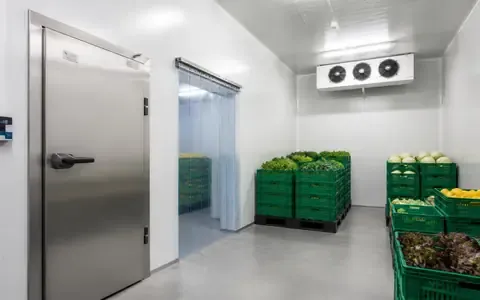
Modular and built-up cold rooms in chilled, frozen, blast and pharma GDP configurations — sandwich panels, doors, refrigeration plant and controls delivered as one package.
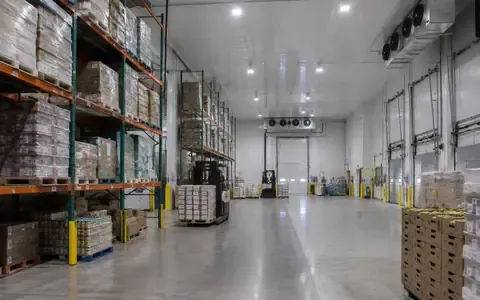
500 to 50,000+ pallet position refrigerated distribution centres — racking, doors, refrigeration, dock levellers and WMS-ready fit-out for 3PL, retail and food operators.
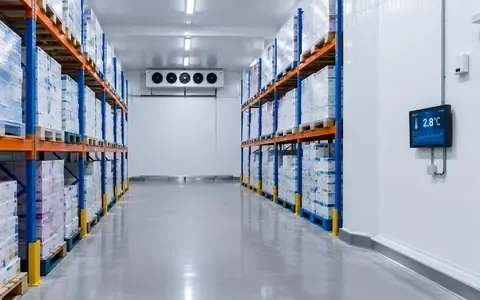
2–8 °C and −20 °C pharmaceutical cold storage designed for good-distribution-practice requirements — redundant refrigeration, continuous monitoring and BMS, ready for mapping and qualification by your quality team or a qualified provider.
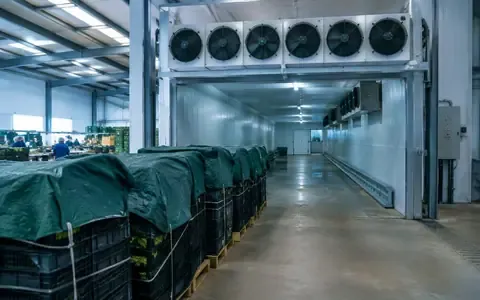
Fresh-produce packhouses with vacuum, forced-air, hydro and room pre-cooling, sorting and cold storage for fruit, vegetable and floriculture exporters.
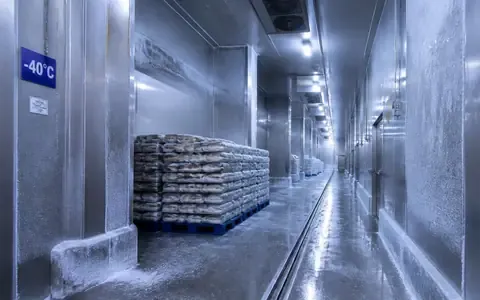
Batch and continuous blast freezers, spiral IQF tunnels and plate freezers for meat, seafood, bakery, ready meals and industrial food processing lines.
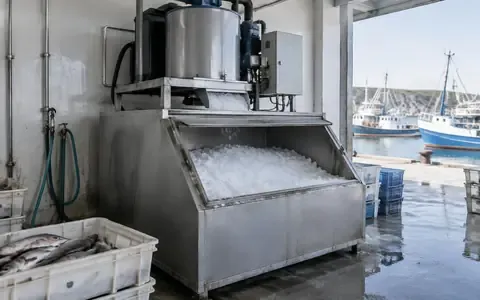
Block, flake, tube and slurry ice plants for fisheries, seafood processors, food industry and ready-mix concrete — turnkey with civil, electrical and installation.
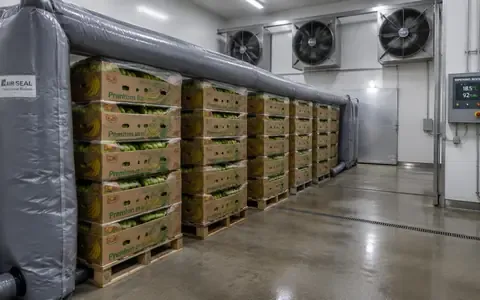
Banana, avocado, mango, tomato and citrus ripening rooms and controlled-atmosphere storage for long-hold fruit and vegetable programs.
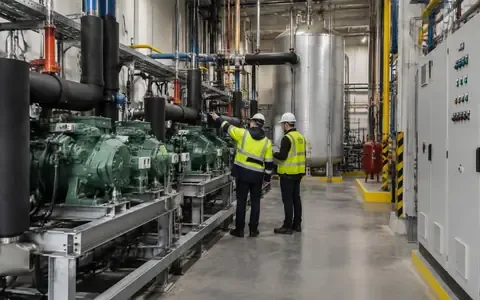
NH₃, CO₂ transcritical and HFC central plants — compressors, condensers, evaporators, receivers and full engine-room packages for processing and cold storage.
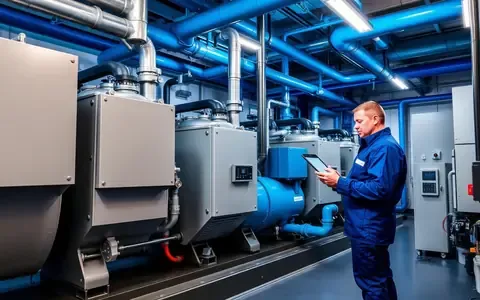
Process chillers, air handling units, precision cooling and HVAC refrigeration for food processing halls, pharma cleanrooms, data centres and commercial buildings.
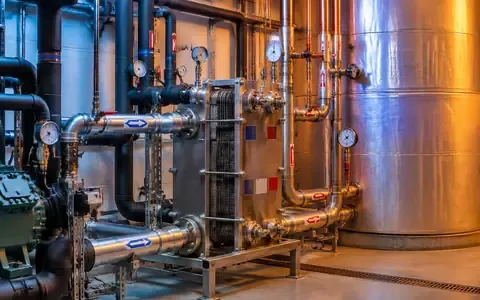
Air- and water-cooled chillers from 50 kW to 5 MW+, glycol chillers, low-temp brine and heat-recovery chillers for process, HVAC and cold storage applications.
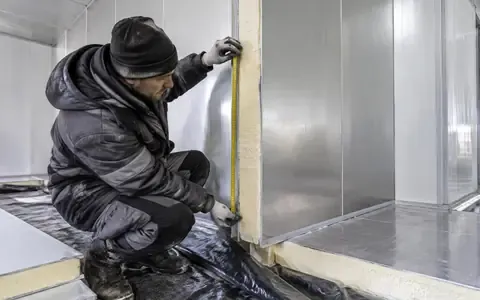
Compressors, condensers, evaporators, valves, controls, insulated panels, cold-room doors and refrigerants — spare parts and component supply worldwide.
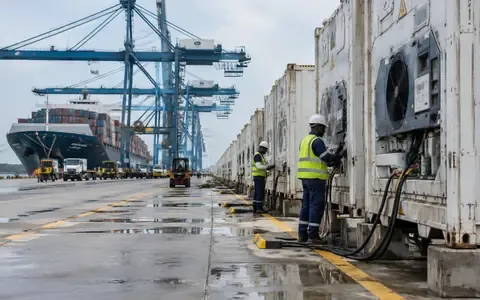
ISO reefer containers, multi-temp reefer trailers, gensets, telematics and last-mile refrigerated vans for intermodal cold-chain logistics.
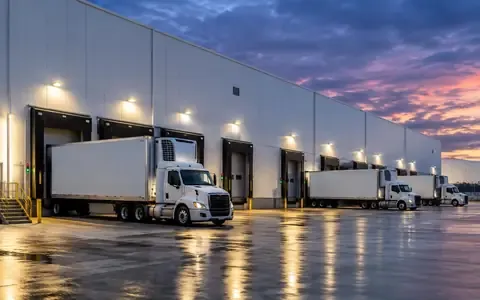
Refrigerated 3PL fit-out, cross-dock, port-side cold storage, air-cargo cool rooms and reefer trucking — sourcing partners for full end-to-end cold logistics.
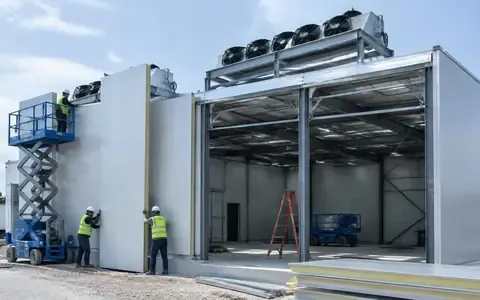
Design-build cold-chain projects: engineering, procurement, construction, commissioning and validated hand-over for cold storage, processing and logistics hubs.
Planning a whole facility rather than buying equipment? See project planning services. 中文版:冷链设备采购目录
Do you need a room inside a building, or a building designed around refrigeration?
Does the product need to be chilled quickly, or frozen through to the core?
Should the cold store be prefabricated, or built on site as part of the building?
Which natural refrigerant suits your site, loads and local competence?
Which pre-cooling method suits your produce and packaging?
Is a container a temporary answer or the right long-term storage?
How does your product arrive — in batches, on a line, or in flat packs?
Or tick “Compare” on up to three systems above to build your own side-by-side view.
Pallet positions, stacking and internal room size from your product volume.
Cooling capacity for holding and pull-down so refrigeration offers start from the same load.
A planning budget range from ColdMatch's published baseline — not a quote.
Standby power to keep stored product safe during grid outages.
Shows which project details are still missing before you request quotes.
Calculator results are planning estimates to make your request specific; prices come only from supplier responses.
These four get mixed up in searches and in RFQs, but each is scoped and sized differently. Name the project type first, then brief suppliers in the unit that fits it.
One insulated room, often built inside an existing building, cooled by packaged or split refrigeration units.
Sized by: Internal volume (m³) or pallet positions, plus daily product intake.
A whole temperature-controlled building: insulated envelope, several temperature zones, loading docks, racking and usually a central refrigeration plant.
Sized by: Pallet positions per zone and daily throughput (pallets in and out).
Equipment that freezes product quickly: batch blast rooms or tunnels, or continuous IQF freezers for individual pieces. It sits before frozen storage; a store holds product that is already frozen.
Sized by: Kilograms per hour or tonnes per day, with product entry and target temperatures and freezing time.
A refrigeration system type, not a building type: a central plant using ammonia (R717) that can serve warehouses, processing halls and freezers.
Sized by: Refrigeration duty in kW for each temperature level, at stated site conditions.
Whichever type it is, the refrigeration plant that serves it is compared on industrial refrigeration systems.
ColdMatch does not provide engineering design. Refrigerant choice, charge limits, machinery-room design, pressure-system examination and hazardous-area assessment are set for each site by a competent refrigeration engineer under the rules that apply there. Official UK starting points (checked 31 October 2026): GOV.UK — F gas in refrigeration, air conditioning and fire protection systems; HSE — COMAH technical measures: refrigeration; HSE — Pressure systems: a brief guide to safety (INDG261).
Free for buyers, for projects from USD 250,000. The ColdMatch team reviews your request, contacts suitable suppliers on your behalf and presents their responses through ColdMatch. Smaller projects can use the free calculators above.
Describe the products, temperatures, capacity and site. The ColdMatch team reviews your request, asks what is missing and then contacts suitable suppliers for you.
Start a project request