
Modular chilled cold room
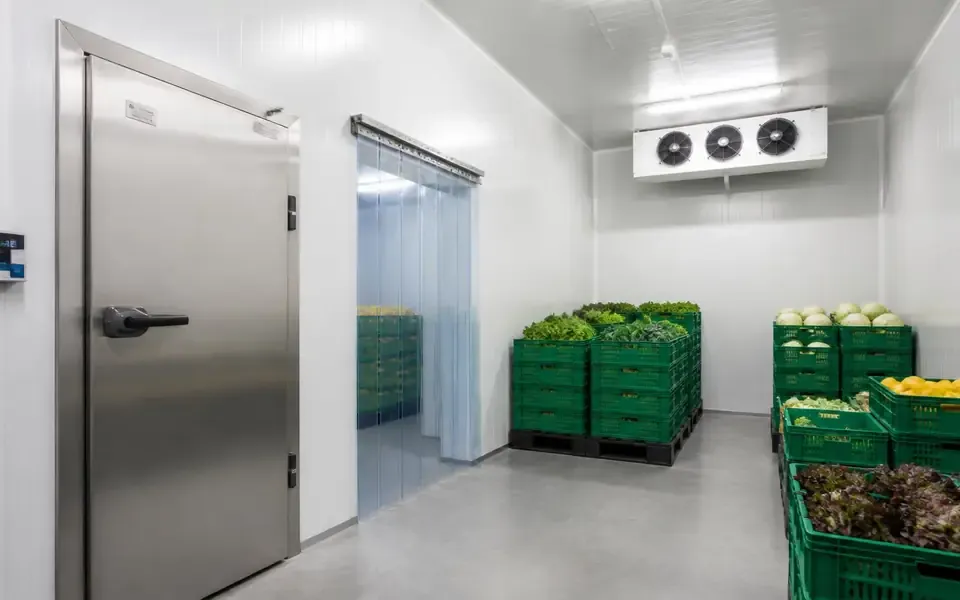
Prefabricated insulated-panel cold room with door, refrigeration unit and controls, for chilled storage of food and other perishable goods.
- Modular / prefabricated
- Chilled storage
Offline — reconnect before saving or submitting. Changes on this page have not been sent.
Modular and built-up cold rooms in chilled, frozen, blast and pharma GDP configurations — sandwich panels, doors, refrigeration plant and controls delivered as one package.
ColdMatch facilitates sourcing and RFQs; it does not manufacture, sell, import or export the listed products and is not a regulatory authority. Suppliers are responsible for their products meeting the requirements of the origin and destination countries; buyers for import permissions, local rules and due diligence. Requirements vary by product and country, and the team checks requests before any supplier contact. Regulation and restricted items
General descriptions to help you define your request. Specifications, prices and lead times come only from suppliers’ written offers.
Prefabricated insulated-panel cold room with door, refrigeration unit and controls, for chilled storage of food and other perishable goods.
Insulated room with low-temperature refrigeration for storing products that are already frozen, typically with floor insulation and heated door frames.
Site-built cold store with several rooms at different temperatures, sharing a refrigeration system and controls.
Do you need a room inside a building, or a building designed around refrigeration?
| Aspect | Modular cold room | Refrigerated distribution centre |
|---|---|---|
| What it is | An insulated room with its own refrigeration, usually inside an existing building. | A temperature-controlled building with docks, racking and refrigeration designed together. |
| Usual fit | Shops, kitchens, small processors, farms and back-up storage. | Daily pallet flows for retail, food service and 3PL operators. |
| What drives the design | Room size, products, temperature and door use. | Pallet positions, daily in/out flows, docks and temperature zones. |
| Permits and works | Usually limited building works; check local rules for electrical and refrigerant work. | Building, fire and planning approvals; civil works and utilities are part of the project. |
| Main trade-off | Simple to buy and extend, but limited for heavy forklift traffic and many docks. | Built for throughput, but needs a defined flow and a longer project. |
Rule of thumb: If you count storage in shelves or a few pallets, start with a cold room. If you count pallets moving per day, define the warehouse flow first.
Should the cold store be prefabricated, or built on site as part of the building?
| Aspect | Modular cold room | Multi-chamber built-up cold store |
|---|---|---|
| Construction | Prefabricated panels assembled on site; can often be dismantled and moved. | Designed and built for the site, often with a shared plant for several chambers. |
| Flexibility | Easy to extend with more panels; refrigeration may need upgrading. | Plan future chambers early so the plant and corridors allow for them. |
| Site works | Mostly a level, suitable floor and services. | Civil works, floor insulation and heating, utilities and permits. |
| Main trade-off | Simpler to procure; less suited to many zones and heavy traffic. | Fits complex needs; more design work and a single-plant failure risk to manage. |
Rule of thumb: The more temperature zones and the more pallet traffic you have, the more a built-up design with planned redundancy is worth evaluating.
Is a container a temporary answer or the right long-term storage?
| Aspect | ISO reefer container | Modular cold room |
|---|---|---|
| Speed and mobility | Can be delivered and moved as one unit. | Assembled on site; can be relocated with more work. |
| Access and layout | Fixed narrow footprint, loading from one end. | Sized and laid out for your shelving, pallets and doors. |
| Power and site | Needs a suitable power connection or genset on site. | Needs a level floor, power and condensing-unit location. |
| Main trade-off | Quick and relocatable; limited space and access. | Better fit for permanent daily use; more planning up front. |
Rule of thumb: Containers work well for temporary, seasonal or remote needs. For permanent daily use, compare with a cold room sized to your operation.
Planning estimates to make your request specific — not quotes.
This catalog covers sourcing cold rooms equipment. If you first need a complete facility sized, laid out and scoped, that is a separate project planning service.
Project planning servicesLinks checked on . They explain rules and practice; they do not confirm that any specific offer complies. Requirements differ by country — check with your own advisers.
EU restrictions on certain fluorinated refrigerants by equipment type and date. Use it to check whether the refrigerant offered is restricted for your equipment in the EU.
US limits on higher-GWP HFC refrigerants in new refrigeration and air-conditioning equipment. Parts were under reconsideration in 2026, so check the current status before relying on a date.
Engineering reference; its Refrigeration volume covers refrigeration systems, cold-storage design and food refrigeration.
No supplier-confirmed listings are published here yet. ColdMatch only publishes details that a supplier has confirmed in writing and our team has reviewed — we do not show estimated stock, prices or specifications.
You can still request quotes now: send your requirement and the ColdMatch team will review it and contact suitable suppliers on your behalf.
Specifications, sizing, capex and comparison tables for cold rooms — read before you shortlist suppliers.
Open the engineering guide