
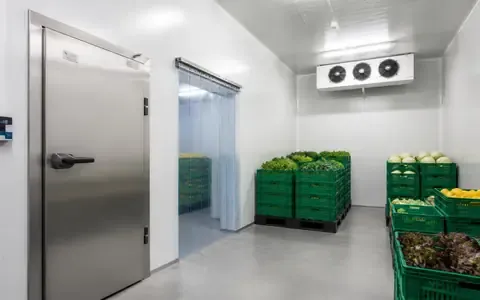
Segregated cold store for certified organic produce
Dedicated rooms or clearly separated zones so organic lots never mix with conventional produce.
Certified organic growers, packers, importers and storage operators.
Offline — reconnect before saving or submitting. Changes on this page have not been sent.
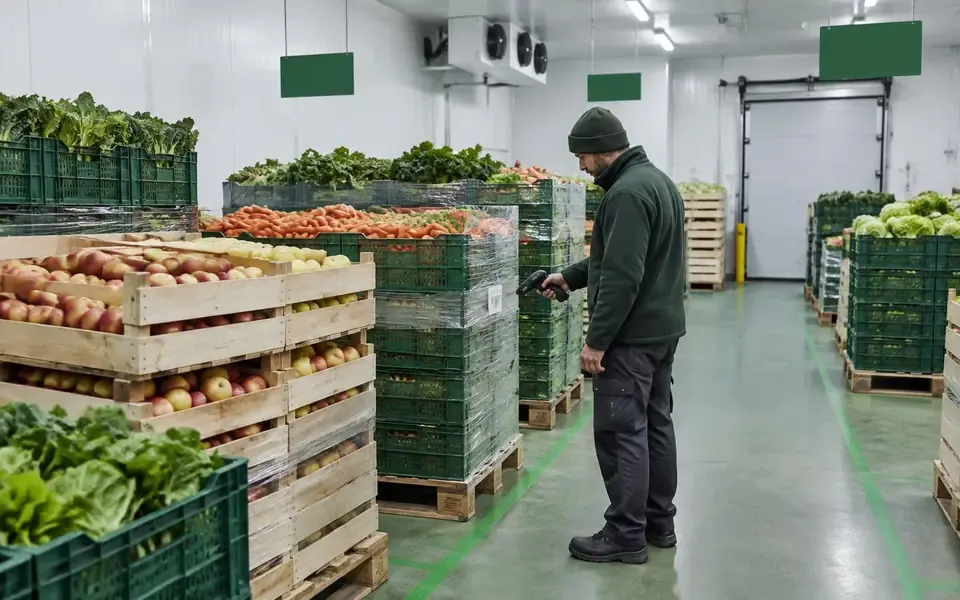
ColdMatch facilitates sourcing and RFQs; it does not manufacture, sell, import or export the listed products and is not a regulatory authority. Suppliers are responsible for their products meeting the requirements of the origin and destination countries; buyers for import permissions, local rules and due diligence. Requirements vary by product and country, and the team checks requests before any supplier contact. Regulation and restricted items
Organic status belongs to the produce and to certified operators, under the rules of the market where it is sold — for example EU Regulation 2018/848 or the US National Organic Program. A cold store supports that status by preventing commingling and contamination and by keeping records an inspector can follow.
Whether your storage operation needs its own certification depends on the standard and on whether products are packaged; ask your certification body before you design the site.
Dedicated rooms or clearly separated zones so organic lots never mix with conventional produce.
Certified organic growers, packers, importers and storage operators.
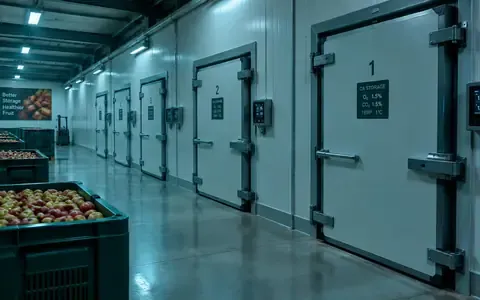
Gas-tight rooms that hold organic apples, pears and similar fruit using atmosphere control rather than chemical treatments.
Organic fruit growers, cooperatives and storage operators.
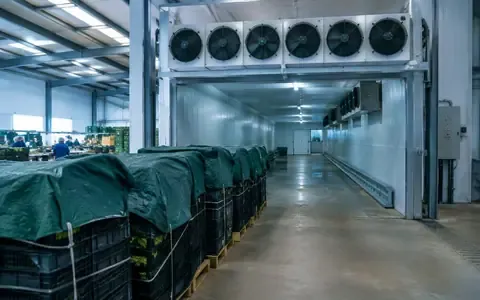
Remove field heat soon after harvest and keep organic lots identified from field to chilled store.
Organic growers and packers of berries, cherries, leafy greens and vegetables.
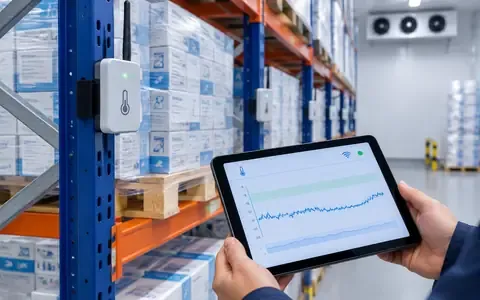
Monitoring and record systems that link each organic lot to its storage location and temperature history.
Organic handlers who must show inspectors where each lot was stored and how.
Links checked on . They explain rules and practice; they do not confirm that any specific offer complies. Requirements differ by country — check with your own advisers.
EU rules for organic production, labelling, certification and controls, including collection, transport and storage of organic products.
US organic regulations, including organic handling requirements and the commingling and contamination prevention practice standard.
Which substances may be used in US organic production and handling — check gases, sanitisers and treatments against it with your certifier.
How US organic certification works and who must be certified.
International guidelines on production, labelling, handling and storage of organically produced foods, used as a reference by many countries.
Combine packages from this collection with individual systems in one shortlist, then send one request. Free for buyers; ColdMatch arranges projects from USD 250,000 and contacts suppliers on your behalf.