
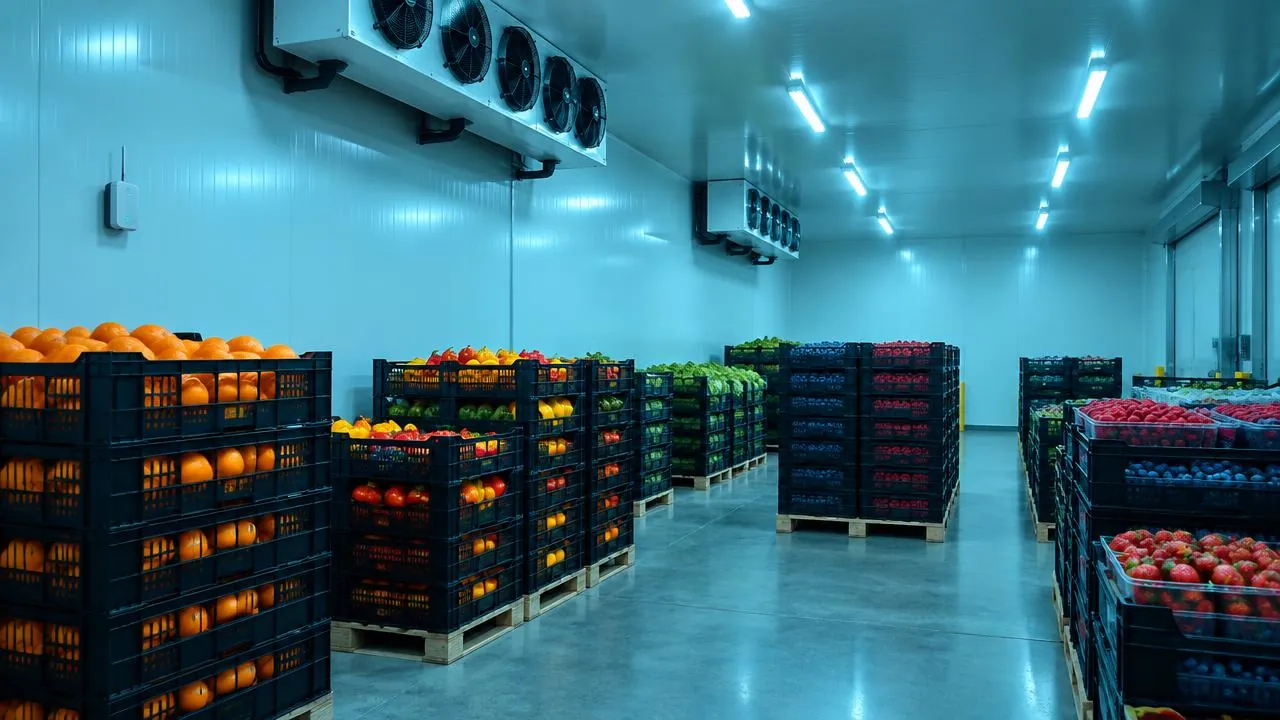
Quick answer
A structured sourcing process helps agricultural and food buyers reach the right cold-chain result by fixing requirements before suppliers are approached: one written brief, the same scope for every bidder, evidence checked against claims and offers compared on lifecycle cost. It is most useful for multi-supplier, cross-border or new-technology projects; simple repeat purchases can often be bought direct.
Key takeaways
- When is a sourcing platform useful instead of buying direct? It is most useful for projects that combine several scopes, suppliers or countries, involve unfamiliar technology, or may need external financing.
- What should an agricultural cold-chain project brief include? Products and volumes, temperatures and humidity, timing, site and power, quality and documentation requirements, delivery terms, budget assumptions, energy data requirements, monitoring, warranty and acceptance tests.
- Does ColdMatch certify or verify suppliers? No.
- Can ColdMatch provide financing for my project? No.
Reviewed: 2026-10-22 · ColdMatch Group
Edition note — 22 October 2026. By the ColdMatch Group editorial team. This is general buyer guidance, not legal, financial, engineering, safety or regulatory advice. ColdMatch is a buyer-first procurement platform — not a manufacturer, producer, lender, certifier, lawyer or regulator.
Agricultural procurement teams rarely buy a single machine. A packhouse, cold store, ripening room or reefer operation combines civil works, insulation, refrigeration, power, controls, logistics and documentation — often from several commercial cold-chain suppliers and sometimes across borders. When each supplier quotes against its own assumptions, offers cannot be compared and important scope falls between them. A structured sourcing framework fixes that by deciding what you need first, then asking the market to answer the same question.
When a structured sourcing process helps — and when it does not
Using a sourcing platform is never legally required, and it is not the right route for every purchase. It tends to pay off when:
- The project combines several scopes, such as building, refrigeration, electrical and logistics
- You want to compare manufacturers, EPC contractors and turnkey cold-chain project suppliers on one basis
- The technology is new to your team, for example natural refrigerants, heat recovery or remote monitoring
- Equipment is imported, so destination rules, shipping and local service matter
- You may need external financing and want the project defined before that conversation
Buying direct is often simpler for repeat purchases of standard catalogue items, small replacements, or when you already have a trusted supplier and a clear specification. ColdMatch's managed sourcing applies to industrial projects from USD 250,000; below that, the free calculators and guides remain available.
The procurement workflow at a glance
| Stage | What the buyer produces | What to verify yourself |
|---|---|---|
| 1. Brief | Written requirements: product, volumes, temperatures, timing, site, documents, budget assumptions | That inputs come from your QA team, customers and site data |
| 2. Supplier comparison | Shortlist against the brief | Evidence behind capacity, references and compliance claims |
| 3. Technology fit | Options assessed on lifecycle cost and operability | Energy data basis, local service, refrigerant rules |
| 4. Quotes and negotiation | Normalised offers on the same scope | Exclusions, warranties, payment and delivery terms |
| 5. Financing (optional) | Project file for independent partners | Eligibility, terms and approval with the lender |
| 6. After production | Quality, traceability, packaging, logistics and documents plan | Destination and buyer requirements with competent authorities |
| 7. Award and delivery | Contract with the selected supplier | Acceptance tests, handover documents, legal review |
1. Turn your needs into a precise project brief
The brief is the most valuable document in the process, because every quote is only as good as the question it answers. Write it with your quality, operations and finance teams, not from a supplier's brochure. A useful cold-chain RFQ covers:
- Products and volumes: each product, packaging and pallet type, daily intake at peak, storage duration and planned growth
- Conditions: entry and target temperatures, humidity, pre-cooling or freezing pull-down times
- Timing: harvest windows, the date the facility must be operational, and any phasing
- Destination and site: location, ambient design conditions, building status, power, water and access
- Quality and documents: the standards your customers expect, food-safety system, and the documentation you need from suppliers
- Delivery terms: Incoterms, installation responsibility and who handles import formalities
- Budget assumptions: a target range and what it must include, so offers are not inflated or stripped
| Vague request | Precise brief |
|---|---|
| "A cold store for fruit" | Products, pallet positions, entry and storage temperatures, humidity and peak daily intake |
| "Fast cooling" | Pre-cooling method and the time to reach the target pulp temperature |
| "Good quality equipment" | Required documents, refrigerant constraints and acceptance tests |
| "Best price" | Budget assumption with the scope it covers and the exclusions you will not accept |
Start with the technical specification builder, the cold room size calculator and the refrigeration load calculator. For produce, compare pre-cooling methods and read the post-harvest cold storage guide.
2. Identify and compare suppliers against your actual requirements
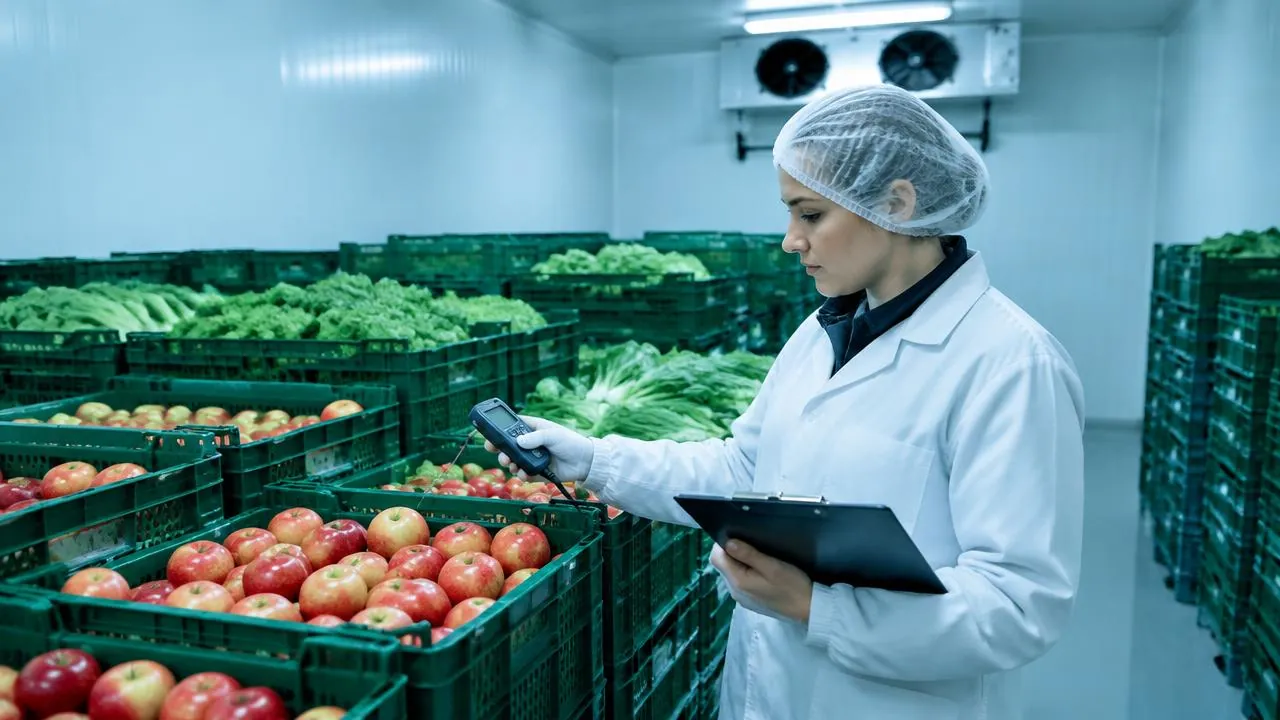
When buyers search for commercial cold-chain suppliers, they usually find three groups: equipment manufacturers, EPC and turnkey contractors, and service providers for installation, maintenance or logistics. The right shortlist depends on how much design and delivery risk you want one party to carry. Browse the categories for packhouses, refrigerated warehouses, ripening rooms, reefer containers and turnkey cold-chain projects.
Directory and marketplace listings elsewhere are informational (ColdMatch publishes none). A listing does not mean a supplier has been independently certified, audited or approved. Judge each candidate on evidence you can check:
| Claim | Evidence to request | Who confirms it |
|---|---|---|
| Capacity to deliver | Current workload, delivery schedule, local installation partners | Supplier, with your own checks |
| Relevant experience | Comparable completed projects and references you can verify | You, through the agreed process |
| Product compliance | Certificates and test reports naming the product and the issuing body | Issuing body or competent authority |
| Service and spares | Service locations, response times, spare-parts policy | Supplier contract terms |
| Financial stability | Company registration and, where proportionate, financial information | Your finance or legal advisers |
Score candidates with a weighted method such as the refrigeration supplier scorecard, and see how to compare cold-storage supplier proposals. For regulated items, check the dated, official-source records in the regulation and restricted items register; it is not exhaustive, and unclear cases need regulatory review.
3. Evaluate innovative technology on fit and total cost of ownership
New technology can lower energy use or product loss, but only if it fits your site, your team and local service capacity. Assess each option on the same questions:
- Total cost of ownership: capital, energy at design and part load, maintenance, refrigerant and end-of-life costs
- Implementation: civil and electrical works, downtime during installation, commissioning and training
- Support: local technicians, spare parts and remote diagnostics for the life of the plant
- Operational fit: how the system behaves in your climate, harvest peaks and power quality
- Rules: refrigerant restrictions and safety requirements at the destination
Treat any savings figure as a claim until the supplier states the measurement basis. The refrigeration technology radar and the Intelligence Center summarise options with their evidence and limits; the refrigeration TCO calculator and energy lifecycle calculator let you test them with your own tariff.
4. Compare quotations and negotiate on evidence
Before comparing prices, normalise the offers: the same heat load, the same scope, the same Incoterms and the same exclusions. Then compare line by line — equipment, installation, commissioning, training, warranty, service and spares — and ask each bidder to price any gaps.
Negotiation should aim for a price that fits the brief and the market evidence, not the lowest number. A structured process cannot promise the lowest price or guaranteed savings; what it can do is make offers comparable, expose missing scope and give you documented reasons for your choice. Useful levers include phasing, payment milestones tied to acceptance tests, warranty length and spare-parts packages. The proposal comparison matrix and the guide to comparing refrigeration proposals on lifecycle cost set out the method; refrigeration equipment trade data gives dated context on origins and import markets.
5. Explore financing options — after the project is defined
Some buyers need external finance to expand or complete a project. Lenders and equipment-finance providers generally want a defined scope, credible quotations and a clear operating plan, so financing conversations work better after steps 1–4. ColdMatch does not lend, arrange regulated financial products or give financial advice. With your consent, a qualified project may be introduced to independent financing partners; any option depends on partner availability, due diligence, eligibility and the partner's own approval and terms. Nothing on this page means financing is available or guaranteed. See the Financing Center and the financing disclaimer.
6. Plan what happens after production
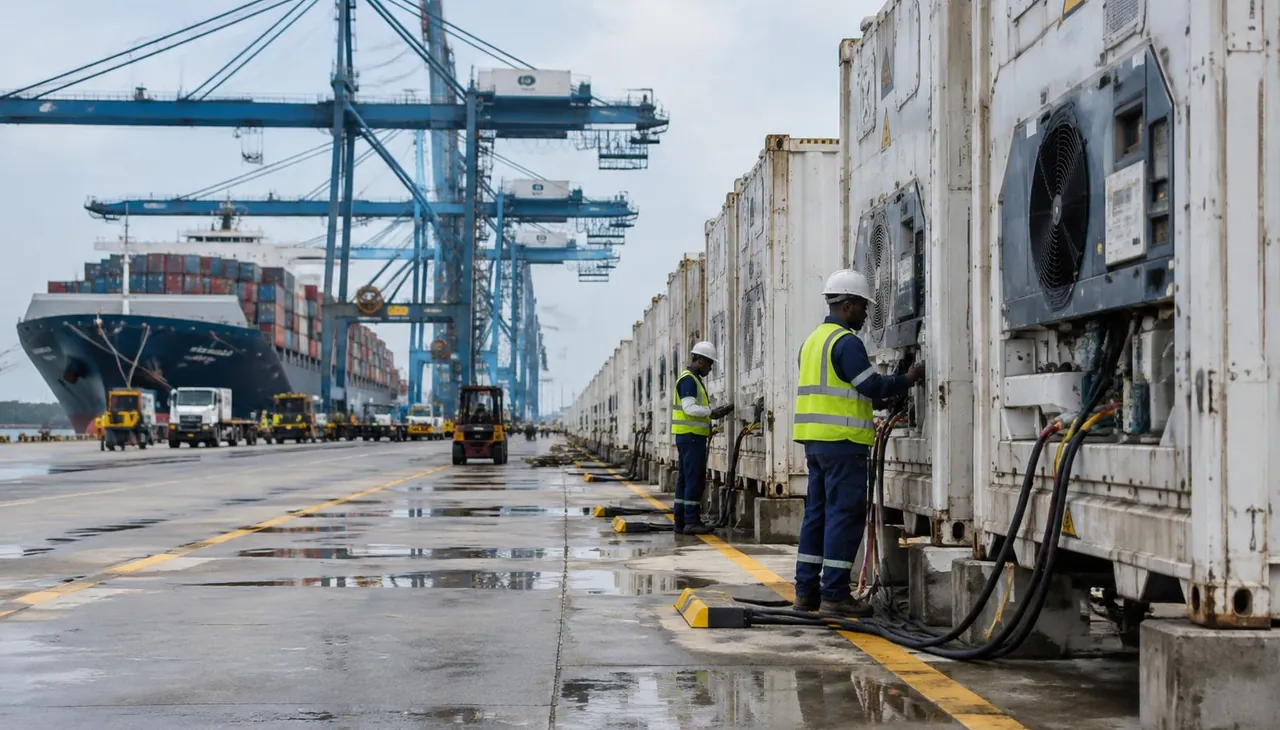
Cold-chain infrastructure is only worth what reaches the customer in good condition. Plan the route to market while you design the facility, because it changes the specification.
Quality specifications and traceability
Agree product specifications, grading, inspection points and record-keeping with your buyers. Traceability rules depend on the market: in the EU, Article 18 of Regulation (EC) No 178/2002 requires food business operators to identify their immediate suppliers and business customers; in the United States, FDA has stated it will not enforce the Food Traceability Rule (FSMA 204) before 20 July 2028 for the foods it covers. Confirm what applies to your products with the competent authority.
Packaging, cold chain and logistics
Packaging, pallet patterns and pre-cooling determine how quickly product reaches its storage temperature and how it travels. For transport, specify temperature set points, monitoring and responsibilities for each handover. International road transport of perishables between parties to the UNECE ATP Agreement uses ATP-classified equipment; in the United States, FDA's sanitary transportation rule applies to many shippers, carriers and receivers. Compare options such as reefer container rental and the cold-chain logistics buyer page.
Documentation and buyer requirements
List the documents each destination and customer expects — for example, phytosanitary or health certificates, certificates of origin, and the private standards your customers require — and who issues them. Only competent authorities and accredited bodies can issue or confirm them; no platform can guarantee export clearance or acceptance.
A possible route for qualifying output
ColdMatch focuses on refrigeration and cold-chain infrastructure, not on buying or selling commodities. Our parent group, Global B2B Group, runs a buyer-first marketplace where commercial buyers source agricultural and food commodities through RFQs from USD 250,000. Producers whose output meets a buyer's specification may ask to be considered when its team sources for those buyers. This is a possible route, not a promise of a buyer, sale, price, export clearance or acceptance.
7. Where ColdMatch fits: a buyer-first sourcing intermediary
ColdMatch is free for buyers. For industrial cold-chain projects from USD 250,000, the team reviews your brief, asks questions where it is incomplete, contacts suitable refrigeration suppliers, EPC contractors or turnkey builders on your behalf and presents organised, comparable responses. Buyers and suppliers do not contact each other directly through the platform; you receive a structured comparison rather than a contact list. Supplier content on the site is informational. If a deal closes, the supplier — never the buyer — pays ColdMatch a success fee, and that fee does not decide which suppliers are approached. Read how ColdMatch works, the RFQ process and how managed supplier introductions work; ColdMatch compared with cold-chain logistics platforms explains what we do not do.
What you should still verify yourself
- Technical design: a qualified engineer should validate heat loads and the final design
- Legal terms: contracts, warranties and liability with your own lawyer
- Compliance: permits, product rules and import requirements with competent authorities
- Financing: terms and suitability with the lender and your financial adviser
- Supplier claims: certificates, references and capacity before award
Structured sourcing compared with approaching suppliers directly
| Factor | Structured sourcing process | Approaching suppliers one by one |
|---|---|---|
| Comparability | Same brief and scope for every bidder | Each offer rests on its own assumptions |
| Missing scope | Gaps are visible in a line-by-line comparison | Gaps often appear after award |
| Speed | Takes time to prepare the brief | Can be faster for simple, repeat purchases |
| Your effort | Front-loaded on requirements | Spread across many separate conversations |
| Supplier reach | Several supplier types considered together | Limited to suppliers you already know |
| Decision record | Documented reasons for the choice | Harder to justify internally |
Common mistakes in agricultural cold-chain procurement
- Requesting quotes before product, volume and temperature data are fixed
- Treating a directory listing as proof of certification or capacity
- Comparing purchase prices that rest on different scopes or heat loads
- Accepting energy or savings claims without a stated measurement basis
- Leaving civil works, power supply, logistics or documentation out of scope
- Approaching lenders before the project and quotations are defined
- Designing storage without planning packaging, transport and buyer requirements
Project brief and RFQ checklist
Use this checklist before you request a quote, so every supplier prices the same project:
- Products, packaging, pallet type and storage duration
- Peak daily intake, season length and growth plan
- Entry and target temperatures, humidity and pull-down or pre-cooling time
- Capacity in pallet positions or volume, racking and handling
- Site location, ambient design conditions and building status
- Power, backup power, water and drainage
- Required operational date and any phasing
- Quality standards, food-safety system and traceability records
- Documents expected from suppliers and destination authorities
- Accepted or excluded refrigerants, subject to local rules
- Documented energy data at design and part load
- Redundancy, alarms and independent monitoring
- Delivery terms, Incoterms and installation responsibility
- Budget assumption and the scope it must cover
- Warranty, service, spare parts and training
- Acceptance tests, handover documents and post-production logistics plan
Download the project brief checklist (CSV) or build a full brief in the technical specification builder.
Next step: request a quote for your cold-chain project
If your project is an industrial cold-chain investment from USD 250,000, submit your project brief through the RFQ builder. It is free for buyers, and there is no obligation to award. The ColdMatch team reviews the brief before any supplier is approached; final technical, legal, financial and commercial decisions remain yours. For why a wider, structured process matters, read the cost of sourcing alone.
Sources
- Regulation (EC) No 178/2002 — general principles of food law, Article 18 traceability — EUR-Lex
- FSMA Final Rule on Requirements for Additional Traceability Records for Certain Foods — U.S. FDA
- FSMA Final Rule on Sanitary Transportation of Human and Animal Food — U.S. FDA
- Agreement on the International Carriage of Perishable Foodstuffs (ATP) — UNECE
- USDA Agriculture Handbook 66 — The Commercial Storage of Fruits, Vegetables, and Florist and Nursery Stocks
Run the numbers
Calculators for this project type
Indicative planning figures only — final sizing belongs to the supplier's or consultant's detailed design.
Fruit & vegetable cold storage ROI calculator
Pre-cooling and storage capacity plus indicative payback from spoilage reduction.
Energy & backup powerEnergy & backup power cost calculator
Annual energy spend from load and running hours, plus the cost of generator hours during outages.
Frequently asked questions
Plan the numbers before you send an RFQ
The reference pages buyers use most before requesting quotes.