

Quick answer
What happens in a ColdMatch specialist project review for cold storage and refrigeration projects, what the supplier-ready brief includes, and how to prepare. A specialist reviews the request, asks the questions suppliers would ask, and prepares a structured brief before any supplier search starts.
Key takeaways
- What happens after I submit a project to ColdMatch? A specialist reviews the request, asks the questions suppliers would ask, and prepares a structured brief before any supplier search starts.
- What does the supplier-ready brief include? Products and temperatures, capacity and throughput, building and envelope, refrigeration preferences, site conditions, scope boundaries, commercial requirements and listed assumptions.
- Are suppliers contacted automatically? No.
- Which projects qualify for a review? Commercial and industrial cold storage, refrigeration and cold-chain projects of roughly USD 250K and above.
Reviewed: Oct 2026 · ColdMatch Group
Many cold storage projects lose months before a single supplier proposal arrives. Owners send vague emails to manufacturers, receive replies that cover different scopes, and then struggle to compare them. ColdMatch exists to fix that first stage. This article explains exactly what happens when a buyer submits a project, what the specialist review covers, what the supplier-ready brief contains, and how to prepare so the review is fast and useful. It complements our overview of how ColdMatch works by focusing on the service itself.
Short answer: after you submit a request, a ColdMatch specialist reviews it, asks the questions suppliers would ask, and prepares a structured brief covering products, temperatures, capacity, building, refrigeration preferences, site conditions, timeline and commercial requirements. Only once the project is understood does the supplier search begin, and suitable suppliers are introduced manually. The review is designed for commercial and industrial projects of roughly USD 250K and above.
Why a review comes before suppliers
Suppliers price what they are told. If one assumes a −18 °C store with standard doors and another assumes −25 °C with rapid-roll doors and floor heating, their totals cannot be compared, and neither may match what the owner needs. A short review at the start aligns everyone on one definition of the project. It also protects suppliers' time, which is why serious manufacturers and contractors respond better to reviewed briefs than to unqualified enquiries.
Step 1: Your request
You can submit through the quote form, the more detailed RFQ builder, or the procurement request page. The minimum useful information is what you want to store or process, roughly how much, at which temperature, where the site is and when you need it operating. If you have used a calculator, its results are carried into the form automatically.
Step 2: The specialist review
A specialist reads the request in full and checks it against what suppliers will need. Typical questions include: - Which products, and do they arrive warm, chilled or frozen? - What are the peak daily intake and dispatch volumes? - New building, existing building or retrofit of an older plant? - Any refrigerant requirements or restrictions — ammonia, CO₂, HFO, glycol? - Site power capacity, climate and access? - Regulatory needs such as GDP for pharma or food safety certification? - Budget range, timeline and decision process?
Questions are asked once and in plain language. Where an answer is unknown, the specialist notes it as an assumption rather than blocking the project.
Step 3: The supplier-ready brief
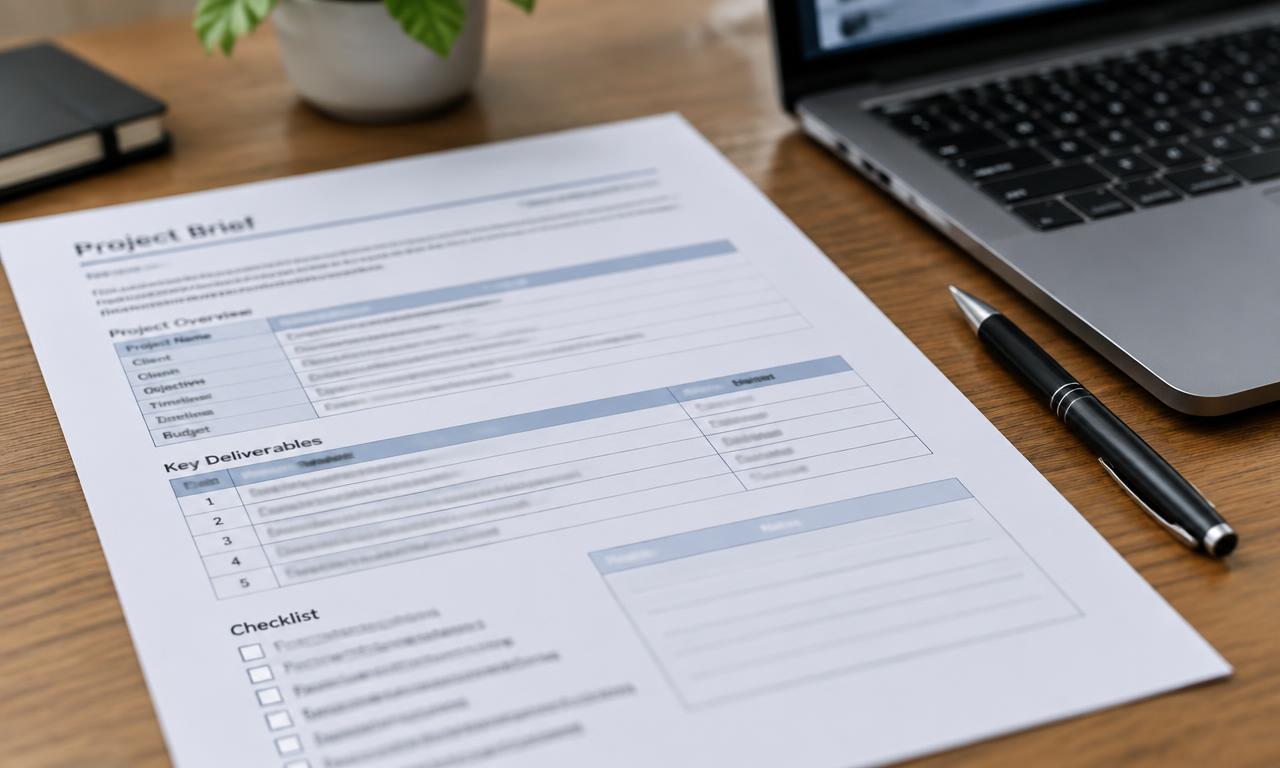
The output is a structured brief that suppliers can quote from. It typically includes: - Project summary: purpose, location, owner type and target operating date. - Products and conditions: temperature classes, humidity, arrival temperatures and any special handling. - Capacity: pallet positions, throughput, peak flows and expansion plans. - Building and envelope: new or existing structure, panel and floor requirements, dock doors. - Refrigeration: preferred or excluded systems, redundancy, controls and monitoring. - Site: power, water, climate data, access and permits status. - Scope boundaries: what suppliers should include and exclude — civil works, electrical, installation, commissioning, training, service. - Commercial: timeline, required proposal format and evaluation criteria. - Open points and assumptions: listed clearly so every supplier uses the same ones.
Step 4: Supplier search and introductions
Only after the brief is agreed does ColdMatch look for suppliers. The search considers technology fit, project size, region, service presence and experience with similar facilities. Suppliers are introduced manually; there is no automatic distribution to a mailing list. Directory pages on the site support research and discovery, but they are not the matching mechanism. ColdMatch works with a network of 100+ suppliers and searches globally where the project needs it.
Step 5: Comparable proposals
Because every supplier quotes against the same brief, proposals arrive in a comparable form. Owners still make the decision — ColdMatch does not choose for them — but the comparison is about real differences in technology, lifecycle cost, delivery and service rather than hidden scope gaps. Our guide on how to compare supplier proposals explains the evaluation step.
What the service is not
ColdMatch is not a manufacturer, installer, EPC contractor or lender. It does not guarantee prices or outcomes, and it does not provide financing or financial advice. Qualified projects may be introduced to independent financing partners, as described on the financing page. Contracts are signed directly between the owner and the chosen suppliers.
How to prepare for a fast review
- Run the RFQ readiness check to see which information is missing.
- Estimate room size and cooling load with the calculators; our cooling load worked example explains the inputs.
- Gather site drawings, power data and any existing equipment lists.
- Decide who will make the final decision and what the timeline is.
- Be open about budget ranges; it helps match suppliers to realistic scopes.
Typical projects reviewed
Reviews cover cold storage warehouses, cold rooms, blast freezing and IQF lines, pre-cooling and packhouse cold chain, controlled atmosphere and ripening rooms, pharmaceutical cold storage, refrigerated distribution centres and the modernisation of older ammonia or HFC plants. Cost expectations are discussed against the published baseline in the cold storage cost guide, never invented figures.
How long the review takes
The review time depends mainly on how complete the first request is. A request with products, temperatures, capacity, site and timeline can often be turned into a draft brief quickly, after one round of questions. Projects with open fundamentals — for example, an undecided location or product mix — take longer, because those decisions shape every supplier's proposal. The specialist will say what is missing rather than guess.
What you receive and keep
The agreed brief belongs to the project. Owners can use it internally for board approval, share it with consultants, or attach it to financing discussions with independent partners. Because it lists assumptions explicitly, it also becomes a reference when proposals arrive: any deviation from the brief is easy to spot and question.
Common mistakes owners make before a review
- Asking for a price before deciding temperatures and capacity.
- Sending suppliers different versions of the project.
- Leaving out installation, commissioning or service from the scope.
- Choosing a refrigerant before considering site, safety and skills.
- Treating the cheapest equipment quote as the cheapest project.
Start a review
ColdMatch Group is the industrial refrigeration and cold-chain procurement platform of Global B2B Group, where commercial and industrial buyers build a project and submit an RFQ; the ColdMatch team validates and organizes it, contacts suitable refrigeration technology and equipment suppliers on the buyer's behalf, and presents organized responses through ColdMatch. If your project is in the USD 250K+ range, start your project and a specialist will be in touch. You can also read about the team's experience on the company profile.
Run the numbers
Calculators for this project type
Indicative planning figures only — final sizing belongs to the supplier's or consultant's detailed design.
Blast freezer cost calculator
Size freezing capacity and indicative cost from daily tonnage, entry and target core temperature.
Energy & backup powerEnergy & backup power cost calculator
Annual energy spend from load and running hours, plus the cost of generator hours during outages.
Frequently asked questions
Plan the numbers before you send an RFQ
The reference pages buyers use most before requesting quotes.