
Cold-Chain Knowledge Hub: Guides for Buyers
Practical, source-backed guides for food and agri businesses planning cold storage or refrigeration. Start with your product and outcome, then define the system and compare suppliers.
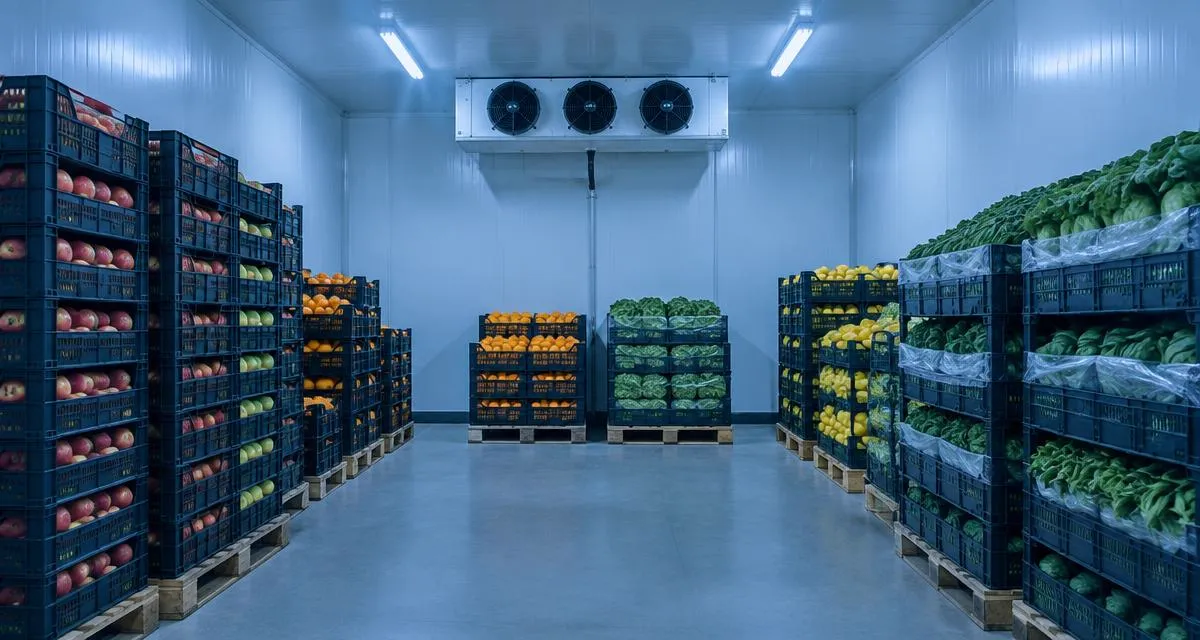
How to choose cold storage for food and agricultural products
Start from the product, not the equipment: list each commodity's required temperature and relative humidity from an authoritative source, check which products can share a room, then size by peak volume, daily intake and stock rotation. Only then choose room type, refrigeration capacity and controls.
Read the guide →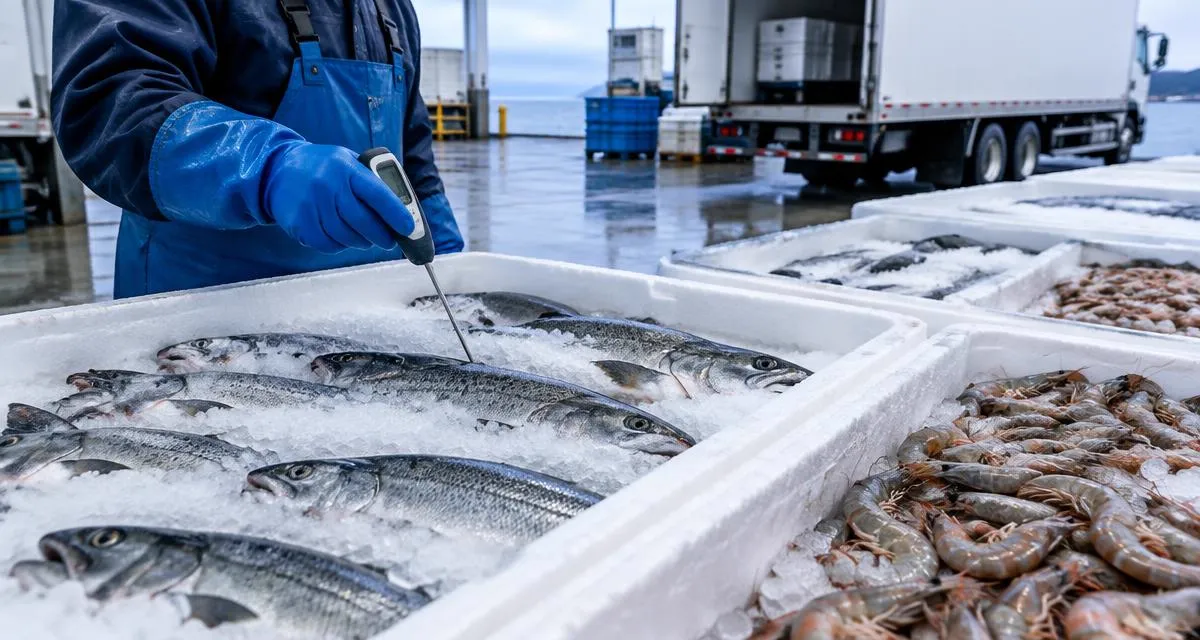
How to plan a fish and shrimp cold chain from farm to market
Map every step from harvest to the buyer, define a control point and a responsible party at each handover, chill the catch as fast as possible and keep it cold without breaks, monitor time and temperature continuously, and keep records. The exact limits come from your food-safety plan, the species and the law of the producing and importing countries.
Read the guide →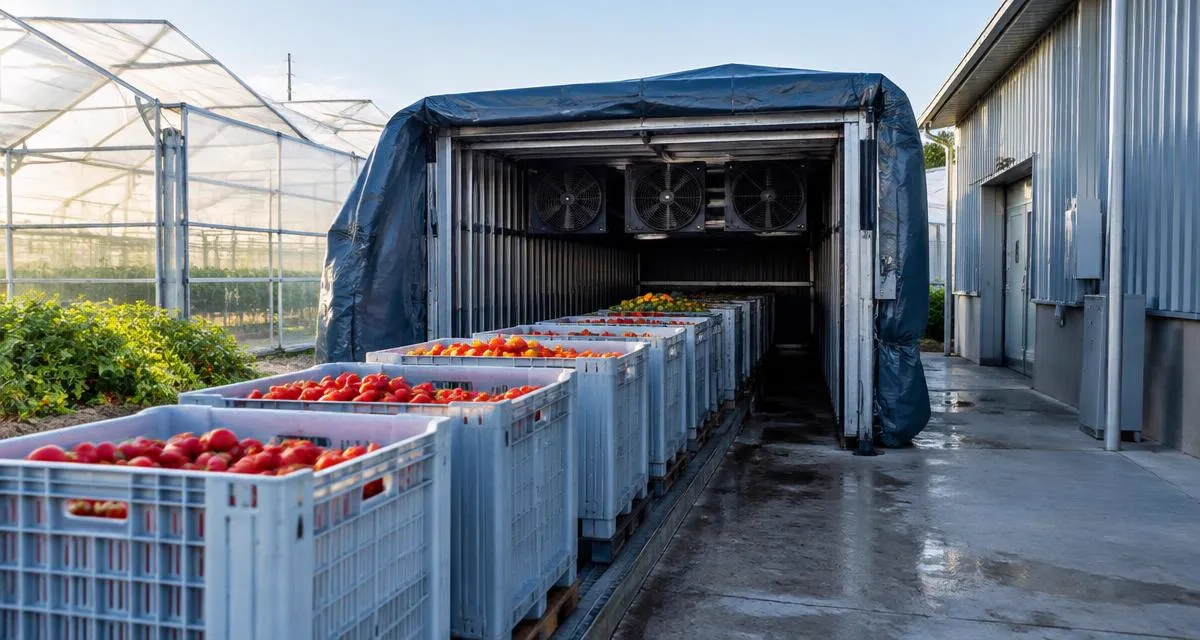
How to reduce post-harvest losses in greenhouse and fresh produce
Remove field heat quickly with a pre-cooling method suited to the crop, store each product within its own temperature and humidity range, use packaging that lets cold air reach the product, and manage stock first-expired-first-out. Measure losses at each stage so you invest where they actually occur.
Read the guide →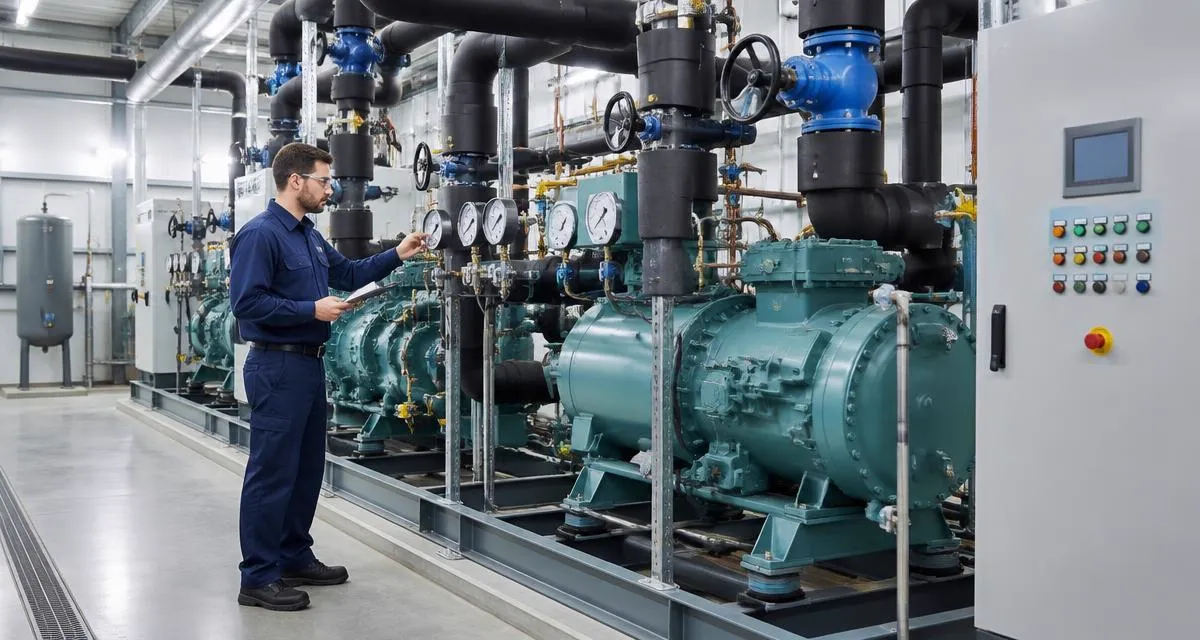
How to choose an industrial refrigeration system
Define the heat load first (product, infiltration, people, lighting, equipment, defrost) at your site's design conditions. Then shortlist refrigerants that are legal and safe for your site, compare system types on lifecycle energy and maintenance, and confirm safety codes and local service capability before choosing.
Read the guide →
How to build a cold room and freezer specification and RFQ to compare suppliers
Write one specification that states the outcome (products, temperatures, capacity, throughput), the site conditions and the required scope — equipment, installation, commissioning, training and service. Ask every supplier to price the same scope in the same format, report energy at the same design conditions, and commit to measurable KPIs. Then compare total cost of ownership, not only purchase price.
Read the guide →
How to find cold storage performance loss using the records you already have
Line up at least 12 months of temperature logs, electricity bills, door or dock activity, downtime and spoilage records on one monthly timeline. Normalise energy by throughput and weather, mark every excursion and breakdown, and look for patterns that repeat. Those patterns separate process, equipment and management problems before you spend on an upgrade.
Read the guide →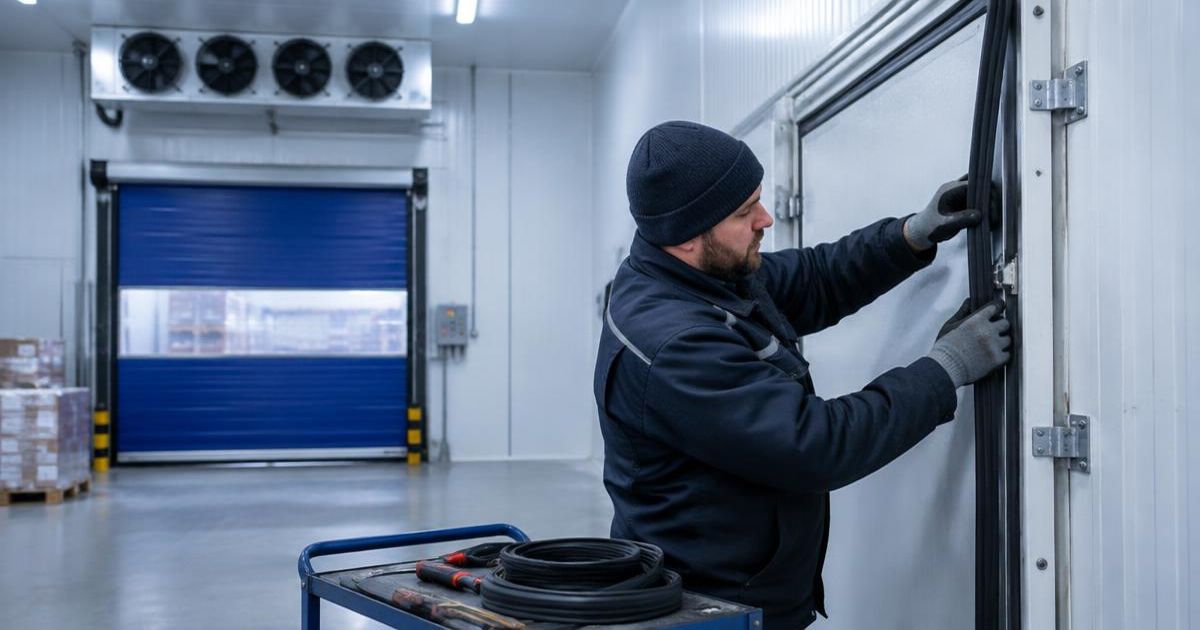
Should you add cold storage capacity or upgrade the system you already have?
Add space only when your records show the rooms are physically full for long periods and product is turned away, double-handled or stored outside the right conditions. If rooms have space but struggle to hold temperature, recover after loading or use more energy per tonne, the constraint is usually doors, insulation, controls or refrigeration capacity — upgrade those first.
Read the guide →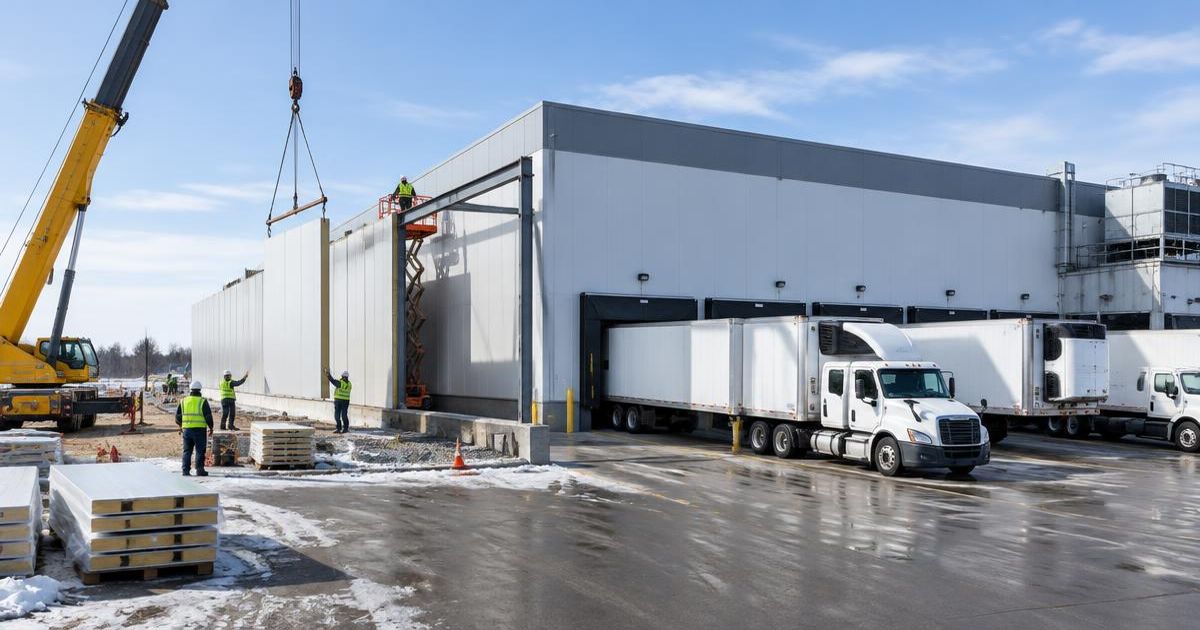
How to expand a cold warehouse in phases without disrupting stock or operations
Map your seasonal demand from historical records, then schedule each phase in your lowest-volume window. Before any tie-in, secure a temporary capacity buffer, a written product-protection plan and a rollback option. Move to the next phase only when agreed KPIs — temperature stability, throughput and energy per tonne — are met.
Read the guide →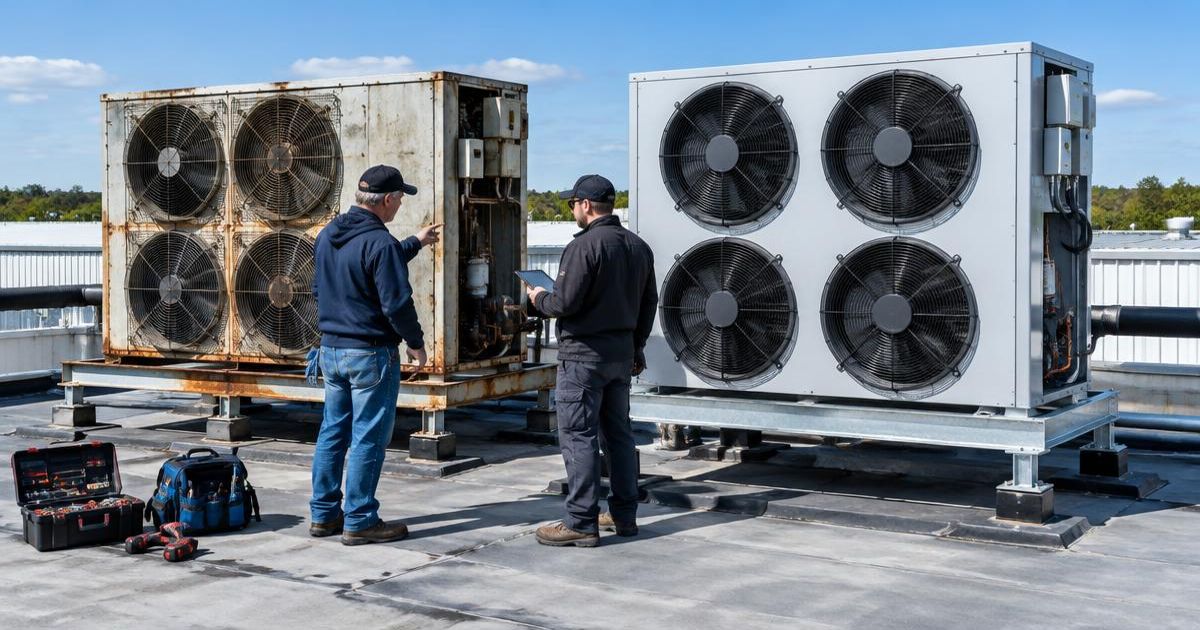
Retrofit or replace? Comparing refrigeration options with your own operating data
Start by confirming the current heat load and whether it has changed. Then compare a retrofit and a replacement on the same basis: capacity at stated design conditions, energy use, refrigerant compliance and availability, maintenance and failure history, safety requirements and lifecycle cost over the same period. Choose from quotations and engineering assessment, not from equipment age alone.
Read the guide →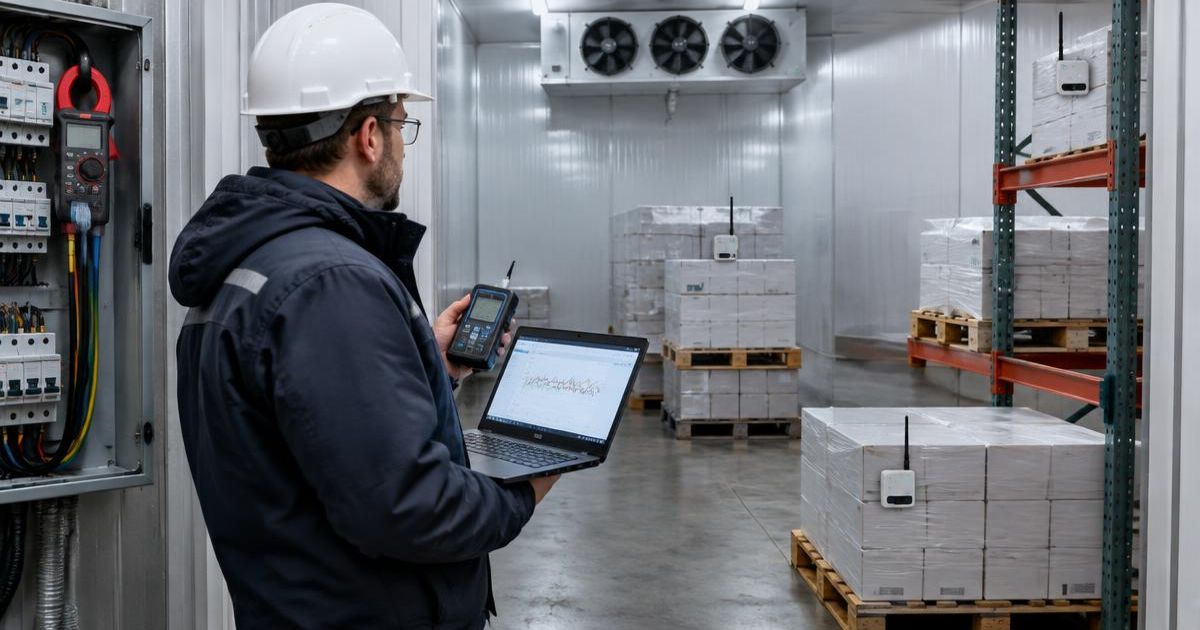
How to accept and measure a cold storage upgrade: KPIs before and after
Define KPIs and the measurement method before the contract is signed: temperature stability and uniformity, pull-down under a stated load, energy normalised by throughput and weather, uptime, product loss and total cost. Measure the baseline with the same instruments, run acceptance tests at handover, then compare like-for-like periods after the upgrade.
Read the guide →