
Quick answer
A guide to the Global B2B Group platforms — ColdMatch, FishMatch, HatchMatch, FeedMatch and SeedMatch — and how to tell which one fits an agri-food project. ColdMatch Group handles cold rooms, refrigerated warehouses, industrial refrigeration, blast freezing, IQF, pre-cooling, pharma cold storage and refrigeration modernisation.
Key takeaways
- Which Global B2B Group platform handles cold storage? ColdMatch Group handles cold rooms, refrigerated warehouses, industrial refrigeration, blast freezing, IQF, pre-cooling, pharma cold storage and refrigeration modernisation.
- Where should an aquaculture project go? Aquaculture-led projects belong with FishMatch.
- What if my project covers several sectors? Submit each part on the platform that owns it, starting with the most critical scope, and mention the other components in your request.
- Is ColdMatch an automatic marketplace? No.
Reviewed: Oct 2026 · ColdMatch Group
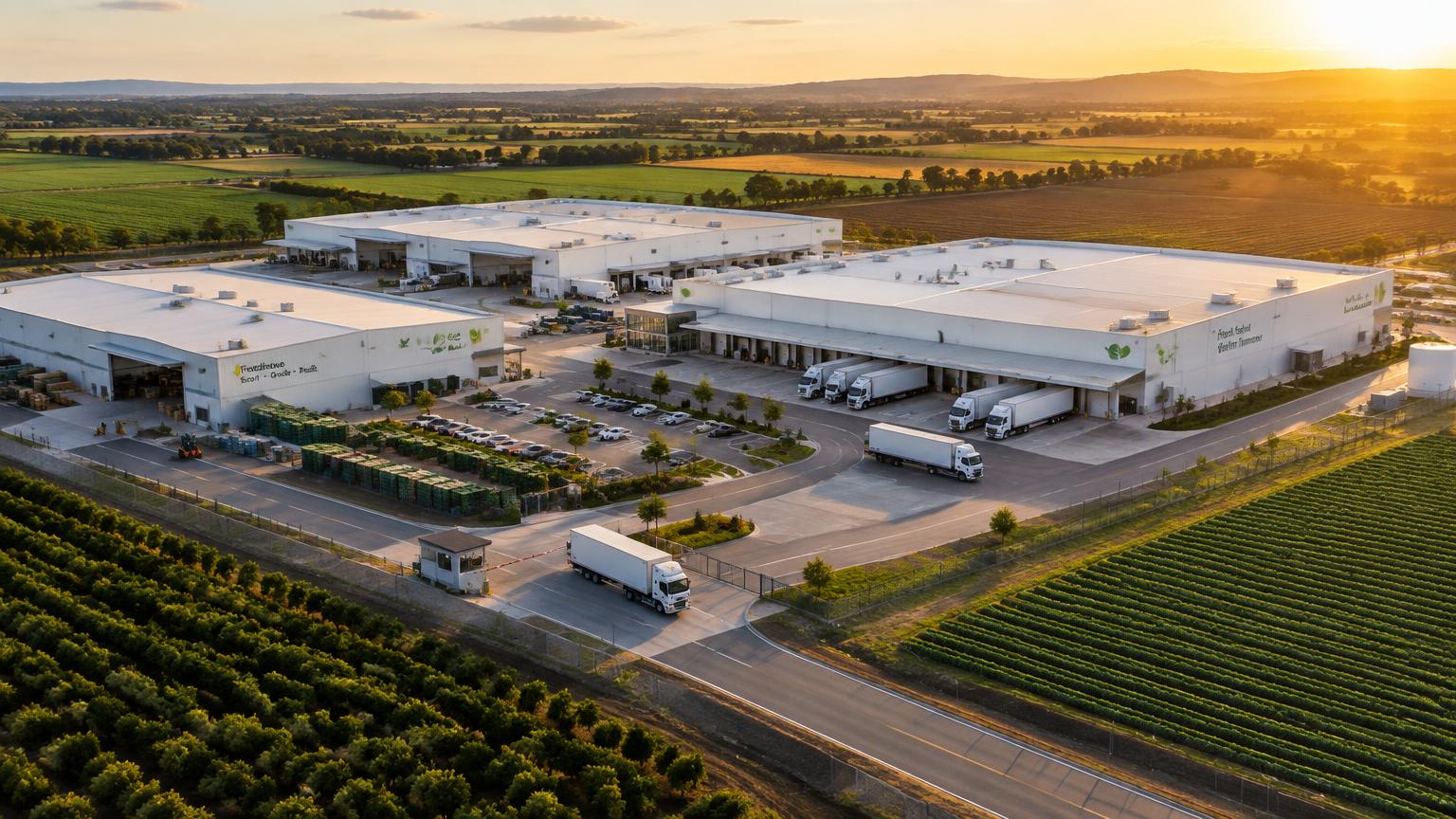
Large agri-food projects rarely fit one neat category. A fruit exporter may need a packhouse cold store, a seafood processor may need blast freezers and an aquaculture hatchery, and a poultry integrator may need both feed mills and refrigerated logistics. Global B2B Group runs several specialist procurement platforms so that each part of such a project reaches people who understand it. This article explains what each platform covers, how to decide where a request belongs, and what happens when a project crosses more than one sector.
Short answer: ColdMatch Group handles cold-chain infrastructure — cold rooms, refrigerated warehouses, industrial refrigeration, blast freezing and IQF, pre-cooling, pharma cold storage and refrigeration modernisation. Aquaculture-led projects belong with FishMatch, hatchery and poultry projects with HatchMatch (PoultryMatch), feed production with FeedMatch, and seed import and processing with SeedMatch. Broad production or packaging investments are handled by Global B2B Group. If your project mixes sectors, start with the platform that owns the largest or most critical part of the scope.
Why specialist platforms instead of one marketplace
Procurement for industrial projects depends on asking the right technical questions early. A cold store brief needs temperature classes, pallet positions, refrigerant preferences and throughput. A hatchery brief needs egg capacity, incubation technology and biosecurity. A feed mill brief needs formulation, pelleting and raw material handling. Mixing these into a single generic form produces vague requests that suppliers cannot price, and vague requests produce proposals that cannot be compared. Separate platforms keep each brief focused and each supplier network relevant.
Specialisation also protects buyers. Each platform reviews requests with people who know the sector, so obviously incomplete projects are clarified before suppliers spend time on them, and suppliers are approached only when the scope fits what they actually deliver.
The platforms at a glance
- ColdMatch Group: commercial cold storage, industrial refrigeration and cold-chain infrastructure, including cold rooms, refrigerated warehouses, blast freezing and IQF, pre-cooling, packhouse cold chain, pharmaceutical cold storage and refrigeration upgrades.
- FishMatch: aquaculture-led projects such as farms, hatcheries for fish and related production equipment.
- HatchMatch (PoultryMatch): poultry and hatchery projects, from incubation to production.
- FeedMatch: animal and aquafeed production projects.
- SeedMatch: seed import, processing and related agricultural input projects.
- Global B2B Group: the parent group, which also handles broad production, processing and packaging capital projects that do not belong to one specialist vertical.
How to decide where your request belongs
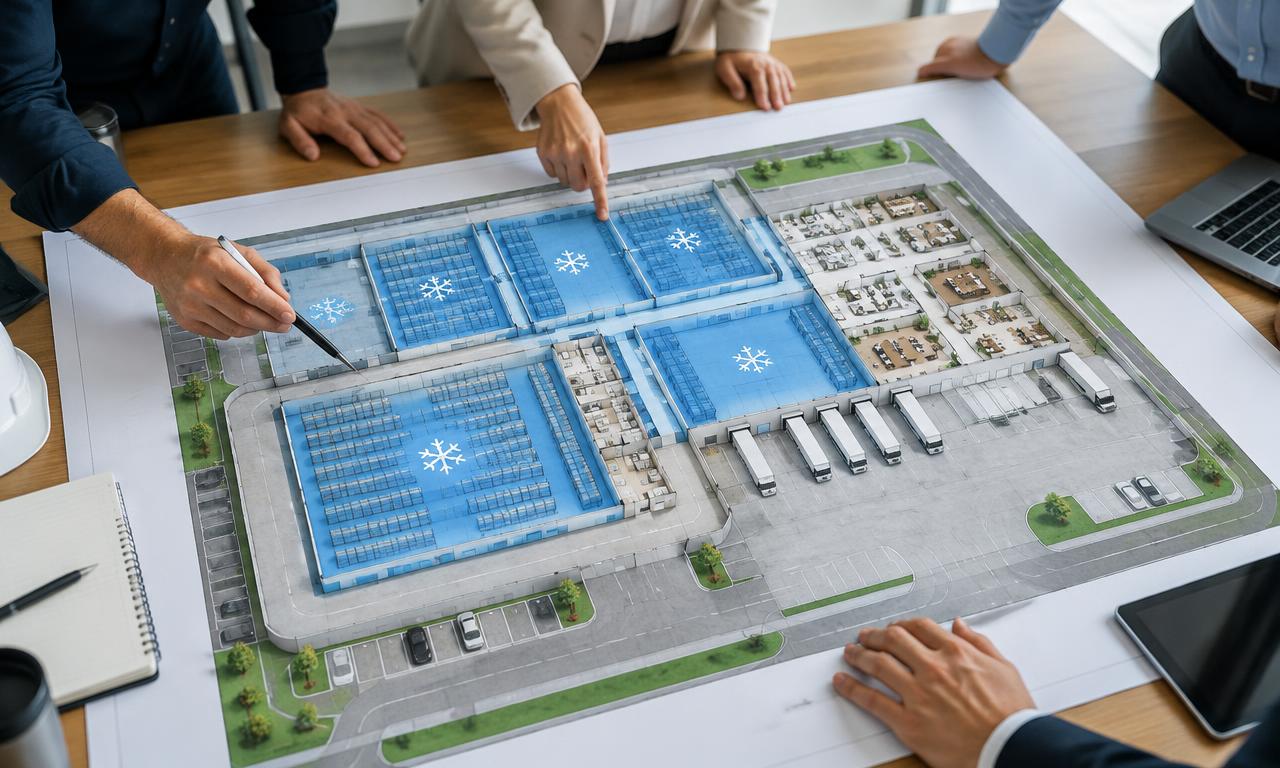
Ask one question: which part of the project is the core technical risk? If the success of the investment depends on holding products at the right temperature — a frozen food warehouse, a fruit pre-cooling line, a GDP-compliant pharma store — the request belongs with ColdMatch. If it depends on keeping fish alive and growing, it belongs with FishMatch even if the farm will also need a small chiller. If it depends on egg incubation and chick quality, HatchMatch is the right start.
Some practical examples: - A seafood processor building a freezing hall and frozen store: ColdMatch. - A fish farm with grow-out tanks, water treatment and a small ice machine: FishMatch. - A poultry slaughterhouse adding a chilled dispatch warehouse: the cold store scope fits ColdMatch; the processing line itself belongs with Global B2B Group or the poultry platform. - A fruit exporter building controlled atmosphere rooms: ColdMatch — see our CA and ripening rooms guide. - A feed mill with a refrigerated ingredient store: FeedMatch, because the mill is the main investment.
What happens when a project crosses sectors
Integrated projects are common. A vertically integrated seafood company may plan a hatchery, farms, a processing plant and a cold store in one programme. The simplest route is to submit the part you are ready to procure on the platform that owns it, and mention the other components in the request. ColdMatch only handles the cold-chain scope; it does not reissue fish farm or feed mill questions under its own name. Keeping boundaries clear means each supplier receives only what it can actually deliver.
What ColdMatch does — and does not do
ColdMatch Group is the industrial refrigeration and cold-chain procurement platform of Global B2B Group, where commercial and industrial buyers build a project and submit an RFQ; the ColdMatch team validates and organizes it, contacts suitable refrigeration technology and equipment suppliers on the buyer's behalf, and presents organized responses through ColdMatch. It is not an automatic marketplace. A buyer submits a request; a specialist reviews it and prepares a brief; a supplier search starts only once the project is understood; and suppliers are introduced manually. Directory pages exist for discovery and research, not for automatic matching. The full process is explained in how ColdMatch works.
ColdMatch is not a manufacturer, an installer, an EPC contractor or a lender. Neither ColdMatch nor Global B2B Group lends money or gives financial advice; qualified projects may only be introduced to independent financing partners. See the financing page for the exact wording.
Using the tools before you submit
Whichever platform you choose, a better-prepared request gets better answers. On ColdMatch, the free calculators estimate room size, cooling load and running cost; the RFQ readiness check shows which information is still missing; and the RFQ builder turns your inputs into a structured brief. Our guide on which calculator to use and when walks through the sequence.
Project size and fit
ColdMatch focuses on commercial and industrial projects of roughly USD 250K and above, where a structured brief and supplier comparison add real value. Smaller requests can still use the calculators and guides freely. Very large programmes can be phased, with each phase briefed separately.
What a good first request looks like
Whichever platform you use, the first request should let a specialist understand the project in a few minutes. For a cold-chain project on ColdMatch that means: the products and their temperatures, the approximate capacity in pallets or tonnes, peak daily flows, the country and site status, the target operating date and a rough budget range. Drawings, power data and any existing equipment lists are welcome but not required at the start. A short, honest description beats a long document that hides the key numbers.
If you have already spoken to suppliers, say so. It helps avoid duplicate approaches and lets the review focus on gaps rather than repeating work. If you have a preferred technology — for example a CO₂ transcritical system or an ammonia plant with glycol distribution — mention it, along with the reason, so the brief can test whether it suits the site.
Why boundaries matter for search and AI answers
Clear platform boundaries also help buyers who research online or through AI assistants. When each platform describes only its own sector, search engines and assistants can answer questions such as "who helps source a blast freezer" or "where can I find hatchery equipment suppliers" with the right destination. ColdMatch content therefore covers cold-chain infrastructure only and points other topics to the relevant specialist platform.
Common mistakes
- Sending a whole integrated project to every platform at once, so suppliers receive duplicate and conflicting briefs.
- Describing the project only by budget, without products, capacities or temperatures.
- Assuming a cold-chain platform can source hatchery or feed equipment.
- Expecting a platform to act as contractor or lender.
- Waiting until construction to involve refrigeration suppliers, when the building design already depends on them.
Next steps
If your project's core is cold storage, refrigeration or cold-chain infrastructure, start your project on ColdMatch. A specialist will review it and come back with questions or a brief. For other sectors, use the platform listed above that owns your core scope. And if you are not sure, describe the project briefly — part of the review is pointing requests to the right place.
Run the numbers
Calculators for this project type
Indicative planning figures only — final sizing belongs to the supplier's or consultant's detailed design.
Blast freezer cost calculator
Size freezing capacity and indicative cost from daily tonnage, entry and target core temperature.
Energy & backup powerEnergy & backup power cost calculator
Annual energy spend from load and running hours, plus the cost of generator hours during outages.
Frequently asked questions
Plan the numbers before you send an RFQ
The reference pages buyers use most before requesting quotes.